Tuck End Box Styles, Compared and Made to Your Size
Thirteen carton styles built from the same few folds: five ways to close the base, a hinged tuck top, and the extras that change how a box looks and works. Pick a style for your product, then send a size for a written price.
13 boxes
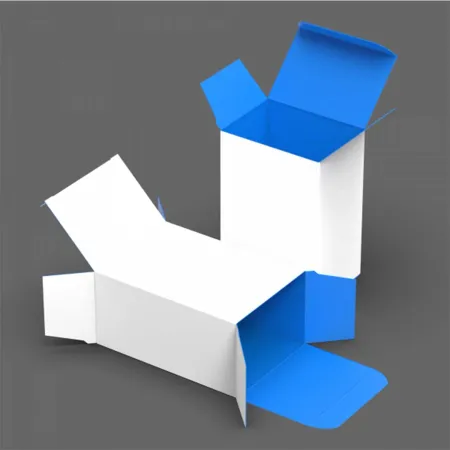 Straight Tuck End Boxes
- Closure
- Straight tuck
- Board
- SBS or kraft
- Used for
- Shelf cartons with a clean front
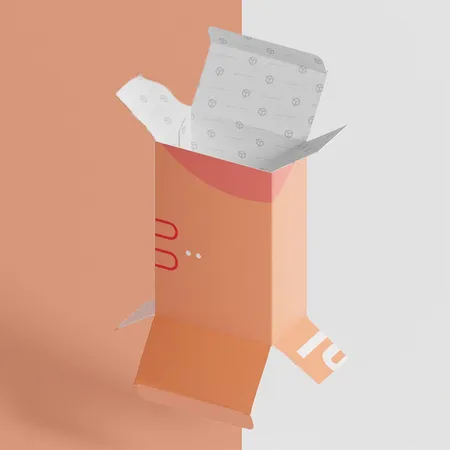 Reverse Tuck End Boxes
- Closure
- Reverse tuck
- Board
- SBS or kraft
- Used for
- Everyday retail cartons
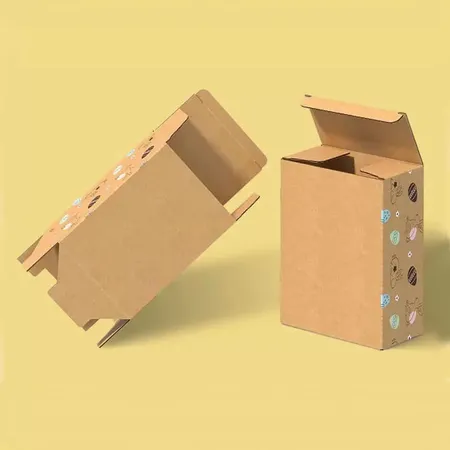 Tuck End Auto Bottom Boxes
- Closure
- Auto bottom
- Board
- SBS or kraft
- Used for
- Jars, bottles and fast packing
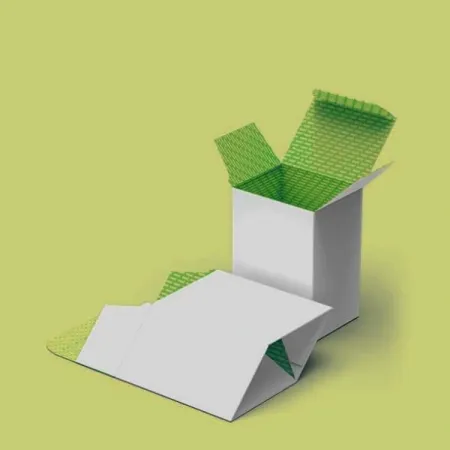 Full Flap Auto Bottom Boxes
- Closure
- Full flap
- Board
- SBS or kraft
- Used for
- Wide cartons, fully closed base
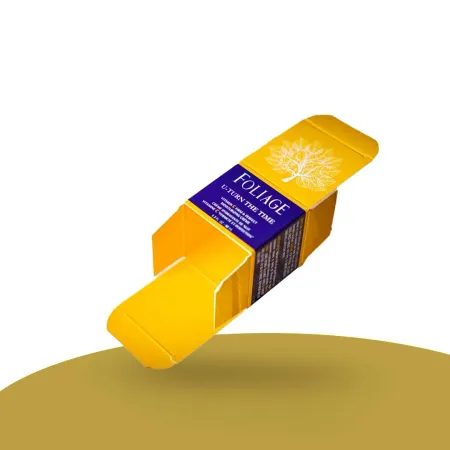 Tuck Boxes with Rise-Up Inserts
- Closure
- Straight tuck
- Board
- SBS or kraft
- Used for
- Small items lifted into view
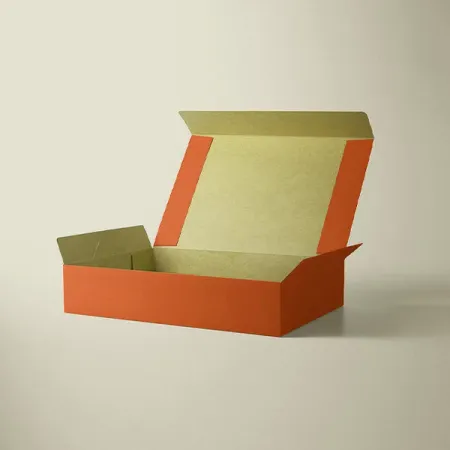 Book Tuck End Boxes
- Closure
- Tuck top
- Board
- SBS or kraft
- Used for
- Books, diaries and flat goods
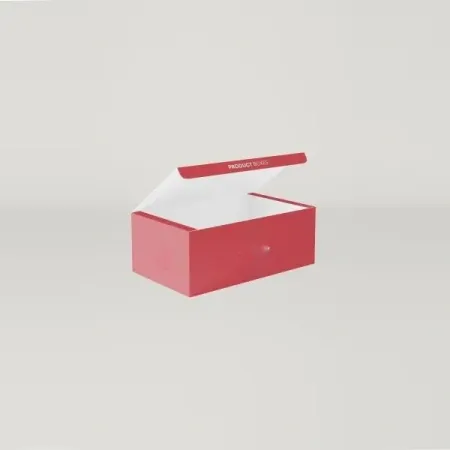 Tuck Top Boxes
- Closure
- Tuck top
- Board
- SBS or kraft
- Used for
- Flat products and gift sets
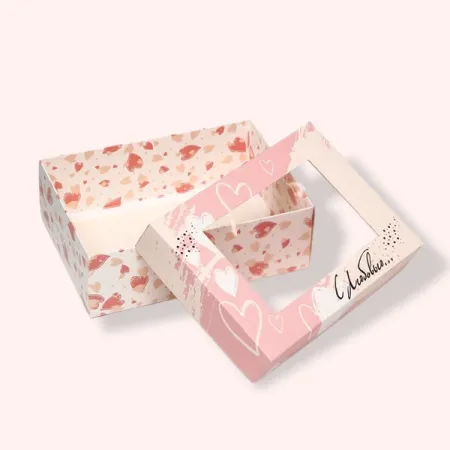 Window Tuck Boxes
- Closure
- Reverse tuck
- Board
- SBS or kraft
- Used for
- Products shown through the box
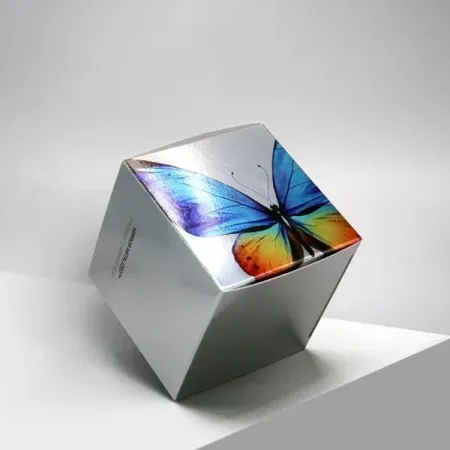 Foil Tuck Boxes
- Closure
- Reverse tuck
- Board
- SBS or kraft
- Used for
- Gifts and launch editions
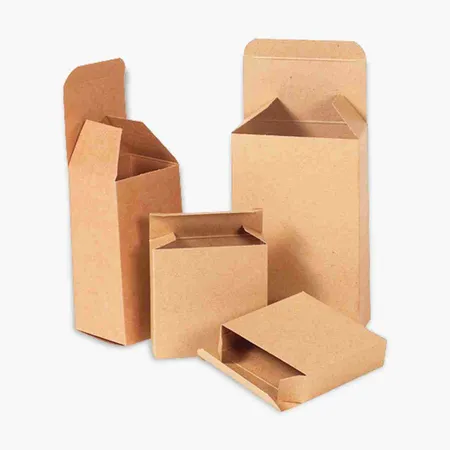 Kraft Tuck Boxes
- Closure
- Reverse tuck
- Board
- SBS or kraft
- Used for
- Natural, brown board look
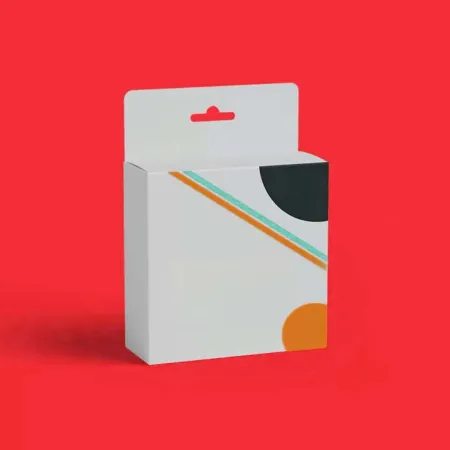 Hang Tab Tuck Boxes
- Closure
- Straight tuck
- Board
- SBS or kraft
- Used for
- Peg displays in shops
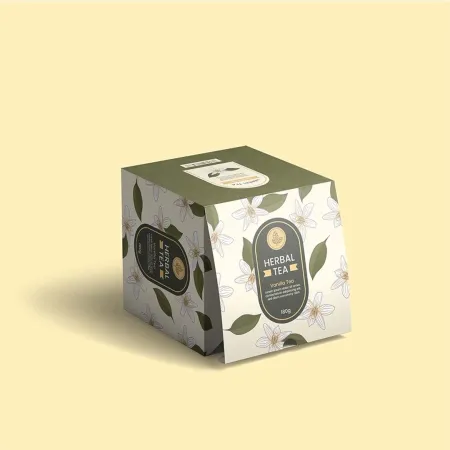 Cube Tuck Boxes
- Closure
- Reverse tuck
- Board
- SBS or kraft
- Used for
- Square items, tea and gifts
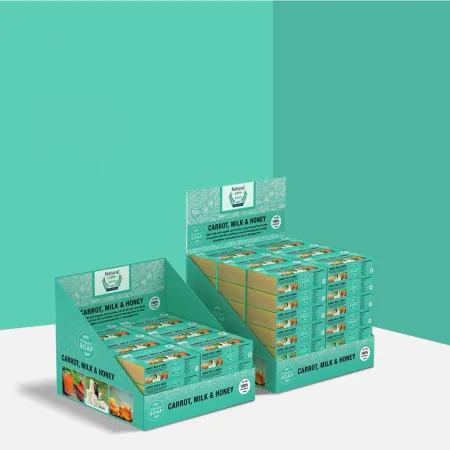 Display Tuck Boxes
- Closure
- Auto bottom
- Board
- SBS or kraft
- Used for
- Counter displays of small items
Nothing matches that. Ask for a written price and we suggest a box.
How the tuck closures compare
Five bottoms cover most folding cartons. Pick the closure first, then the size and board.
| Detail | | | | 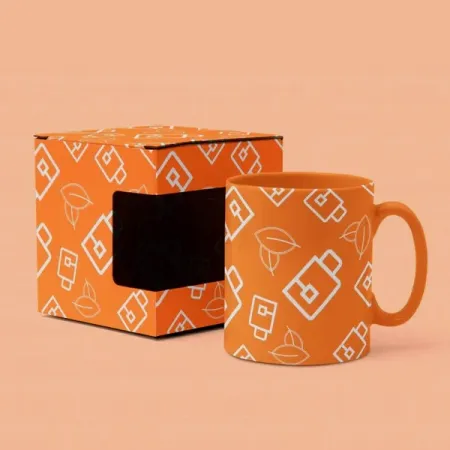 | |
|---|---|---|---|---|---|
| Closure | Straight tuck end | Reverse tuck end | Tuck end auto bottom | 1-2-3 bottom (snap lock) | Full flap auto bottom |
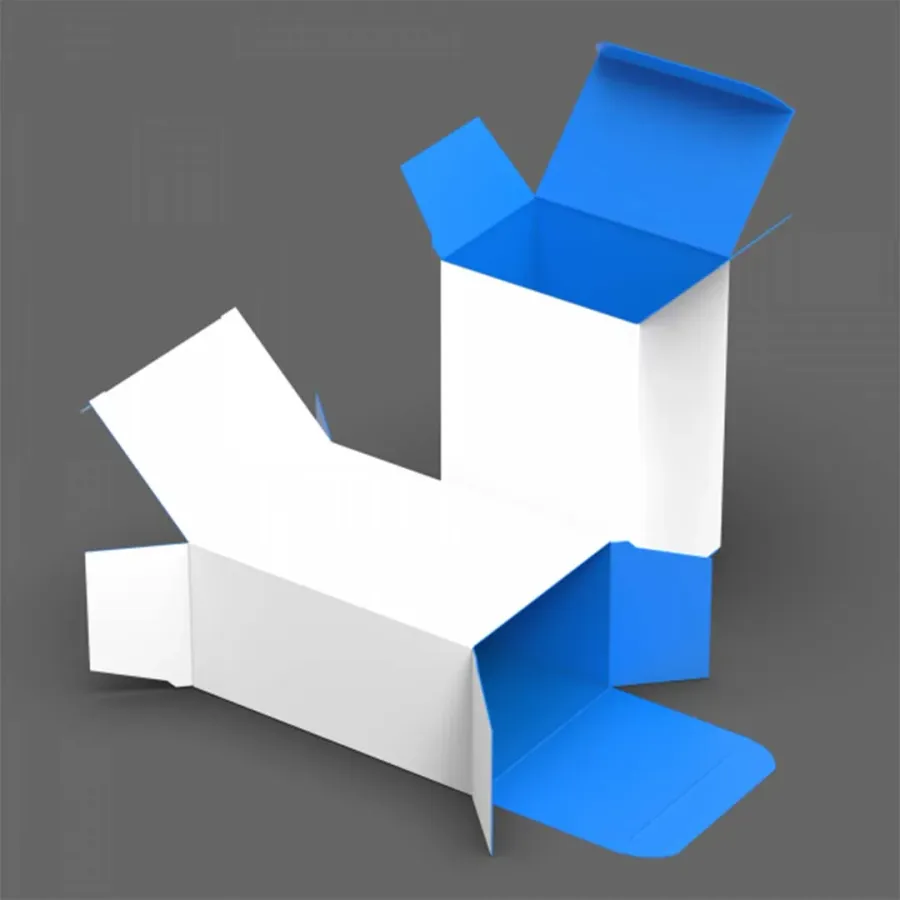
| How it closes | Top and bottom flaps both tuck in from the same side, so the front panel stays unbroken | The top flap tucks in from the back and the bottom flap from the front | A tuck flap closes the top and a pre-glued crash-lock base forms itself when the carton is pushed open | Four base flaps fold in a set order and lock together, with a tuck flap at the top | Long base flaps meet across the whole bottom, with a tuck flap at the top |
| Packing | Folded by hand, both ends tucked | Folded by hand, both ends tucked | Pushed open, base locks itself, top tucked | Base folded in three moves by hand, top tucked | Pushed open, base flaps meet, top tucked |
| Suits | Shelf cartons with a clean front: cosmetics, cards, retail goods | Everyday cartons for most light retail products | Jars, candles, bottles and quick packing | Mugs, glassware and boxed gifts | Wider cartons that want a fully covered base |
| Shown | Straight Tuck End Boxes | Reverse Tuck End Boxes | Tuck End Auto Bottom Boxes | Mug Boxes | Full Flap Auto Bottom Boxes |
| Link | Price this style | Price this style | Price this style | Price this style | Price this style |
What are the main tuck end box styles?
Every box in this range is a folding carton cut from one sheet of board and glued along a single side seam. What changes from style to style is how the ends close and what is added to the panels.
The closures fall into three groups. Tuck ends fold a flap into each end by hand. Auto bottoms have a pre-glued base that forms itself. A tuck top has a hinged lid with a front tuck flap.
The extras sit on top of any closure: a window, a rise-up insert, a hang tab, foil, a kraft board or a cube shape. So a reverse tuck carton with a window and a hang tab is still one style, with two options added.
Every box in the range, side by side
The table lists each style with the closure we usually quote for it and the products it most often holds. Any closure can be quoted on any box, so treat the middle column as a starting point.
Photos of each box sit in the cards above, and every style has its own page with sizes and a short price form.
| Box | Usual closure | Used for |
|---|---|---|
| Straight Tuck End Boxes | Straight tuck end | Shelf cartons with a clean front |
| Reverse Tuck End Boxes | Reverse tuck end | Everyday retail cartons |
| Tuck End Auto Bottom Boxes | Tuck end auto bottom | Jars, bottles and fast packing |
| Full Flap Auto Bottom Boxes | Full flap auto bottom | Wide cartons, fully closed base |
| Tuck Boxes with Rise-Up Inserts | Straight tuck end | Small items lifted into view |
| Book Tuck End Boxes | Tuck top | Books, diaries and flat goods |
| Tuck Top Boxes | Tuck top | Flat products and gift sets |
| Window Tuck Boxes | Reverse tuck end | Products shown through the box |
| Foil Tuck Boxes | Reverse tuck end | Gifts and launch editions |
| Kraft Tuck Boxes | Reverse tuck end | Natural, brown board look |
| Hang Tab Tuck Boxes | Straight tuck end | Peg displays in shops |
| Cube Tuck Boxes | Reverse tuck end | Square items, tea and gifts |
| Display Tuck Boxes | Tuck end auto bottom | Counter displays of small items |
Straight or reverse tuck: which should I choose?
Both close with a flap tucked into each end. On a straight tuck, the two flaps tuck in from the same side, so the front panel is never broken by a fold. On a reverse tuck, the top tucks in from the back and the bottom from the front.
A straight tuck suits windows and full-front artwork, because nothing interrupts the face. A reverse tuck lies flatter when the carton is folded flat and is the everyday choice for most light products. Our page on straight tuck end boxes with clean fronts shows the difference in photos.
On price, the two are close. Pick by how the box will face the customer.
When is an auto bottom worth it?
An auto bottom, also called a crash lock, has its base folded and glued at our end. You push the flat carton open, the base locks into place, and you only tuck the top.
It suits jars, bottles, candles and anything packed in large numbers, because the base is ready in one movement. It costs a little more than a tuck end because of the extra gluing. See tuck end auto bottom boxes for how the base folds.
A full flap auto bottom goes one step further. Its long base flaps meet across the whole bottom, so a wider carton has no gap underneath.
Tuck tops for flat and boxed products
A tuck top box has a hinged lid on the long side with a front tuck flap. It opens like a small chest rather than from the end, so the product is seen from above.
Because the lid hinges along a long edge, a tuck top shows a large printed panel when it is opened. Brands often print a short message or a pattern on the inside of the lid for that moment.
That makes it the natural choice for flat items: card decks, diaries, gift sets, coffee pods and wax melts. Book tuck end boxes use the same idea for books and journals, with the lid along the spine side. Our tuck top boxes with hinged lids page shows the dust flaps that sit at each side.
How do I size a tuck end box?
Always quote inside sizes, in millimetres, as length × width × height. Length and width are the opening; height is the distance between the two ends.
Measure the product at its widest points, including caps, pumps and labels. Then add clearance: about 1 to 2 mm for rigid items, 2 to 3 mm for items with uneven shapes, and more for anything soft.
- Bottles and jars: measure the shoulder and the cap, not only the label panel.
- Flat items: add depth for any card insert or tissue.
- Square items: use a cube box only when all three sides really match.
- Several items in one box: lay them out first, then measure the group.
If you are unsure, post us a sample product. We measure it and send the sizes back with the proof.
Windows, inserts and hang tabs
A die-cut window shows the product without opening the box. It can be left open or backed with clear film, and its shape can follow your artwork. Windows work best on straight tuck cartons, where the front is unbroken.
A rise-up insert is a card platform that lifts a small item towards the top of the box, so it is not lost at the bottom. A hang tab is a punched header above the top tuck that lets the carton hang on a shop peg. All three are cut from the same board as the carton. Our page on window tuck boxes with optional film shows the window choices.
Board and finishes across the styles
Every style is made from 350gsm white SBS as standard, with kraft and other boards on request. Kraft gives a natural brown look and takes darker inks best.
Kraft tuck boxes are the same styles in brown board. White ink and foil print well on kraft, while pale colours look muted, so plan the artwork around the board.
Finishes are options on any style: matt, gloss or soft touch lamination; spot UV; gold, silver or holographic foil; embossing or debossing. Foil and embossing pair well with a soft touch base, as on our foil tuck boxes for gifts.
Our designers place your artwork on the chosen dieline for free, so you see each finish marked on the proof before anything is printed.
Display cartons and cube boxes
A display tuck box is a carton that opens into a small counter stand, often with a tear-off or fold-back lid that becomes a printed header. It holds a row of smaller items at the till.
Cube boxes are simply tuck end cartons with equal sides. They suit tea, small gifts and puzzle toys, and they stack neatly on a shelf. Read about display tuck boxes for counters if you need a carton that also works as a stand.
Common mistakes when choosing a style
Most problems come from picking a style before measuring the product. These are the ones we see most often on first orders.
- Choosing a reverse tuck for a full-front window, so a fold runs across the view.
- Ordering an auto bottom for a light item packed a few at a time, where a tuck end would do.
- Quoting outside sizes instead of inside sizes.
- Adding a hang tab after the proof, which needs a new dieline.
- Leaving no bleed on dark artwork, so white board shows at the folds.
How do I order from the styles range?
- Choose a style from the table, or tell us the product and let us suggest one.
- Send inside sizes in millimetres and the quantity.
- Pick any extras: window, insert, hang tab, board and finish.
- Receive a written quote, from £0.25 per unit depending on size, board and finish.
- Approve the free design proof, then we print and cut in 4–6 business days.
- Your cartons arrive flat with free tracked UK delivery in 2–3 business days.
Whatever the style, a misprinted or damaged order shown to us in photos within 10 days is reprinted or refunded.
Tuck End Box Styles: questions
Which tuck end box style is the most economical?
A reverse tuck end is usually the plainest to make, so it tends to quote lowest for the same size. A straight tuck is very close.
What is the difference between a crash lock and a full flap base?
A crash lock base has four glued flaps that interlock. A full flap base has long flaps that meet across the whole bottom, which suits wider cartons.
Can I have a window on any box style?
Yes. A die-cut window, with or without film, can be added to any style. It sits best on a straight tuck carton.
Which style opens from the top like a lid?
The tuck top. It has a hinged lid with a front tuck flap, so the product is seen from above.
Is a 1-2-3 bottom part of the styles range?
It is one of the five bottoms in the comparison above. Any carton in the range can be quoted with it, and it is the usual base for mug boxes.
Do all the box styles arrive flat?
Yes. Tuck end cartons arrive flat and glued on the side seam. Auto bottom styles arrive flat with the base glued as well.
Can one order mix different box styles?
Yes. Each style has its own dieline, so each is priced separately, but we send them together on one written quote.
Which style suits a product that needs to hang?
Any style can take a hang tab. Straight tuck end cartons are the usual choice, as the tab rises cleanly above the top.
How do I choose between a cube box and a tuck end box?
A cube box is a tuck end carton with equal sides. Choose it only when your product is roughly as wide and deep as it is tall.
Can a rise-up insert go in a reverse tuck carton?
Yes. Inserts are cut separately and fit most styles. We draw the insert on the proof so you can check the height.
Which style is fastest to pack in large numbers?
An auto bottom, because the base forms itself when the carton is pushed open. Only the top needs tucking.
Is there a guide that compares the closures in more detail?
Yes. Our guide to straight, reverse and auto bottom closures walks through each fold step by step.
Not covered here? Call +44 7578 382054, send the carton desk a WhatsApp or email info@tuckboxes.co.uk.
Design Your Box
Pick a box from our photos, place your logo, choose a board colour and send it. We turn it into a free design proof.
Choose a box
Place your logo
Upload a logo to see it on the box
Selected: Straight Tuck End Boxes
Send us the full brief
Give us what you know, rough numbers included. A real person reads it and replies with a written price.
| Price | From £0.25 per unit, on a written quote |
|---|---|
| Proof | Free, before anything is printed |
| Production | 4–6 business days after approval |
| Delivery | Free and tracked, UK only, 2–3 business days |
Prefer to talk? Call +44 7578 382054 or message us on WhatsApp.